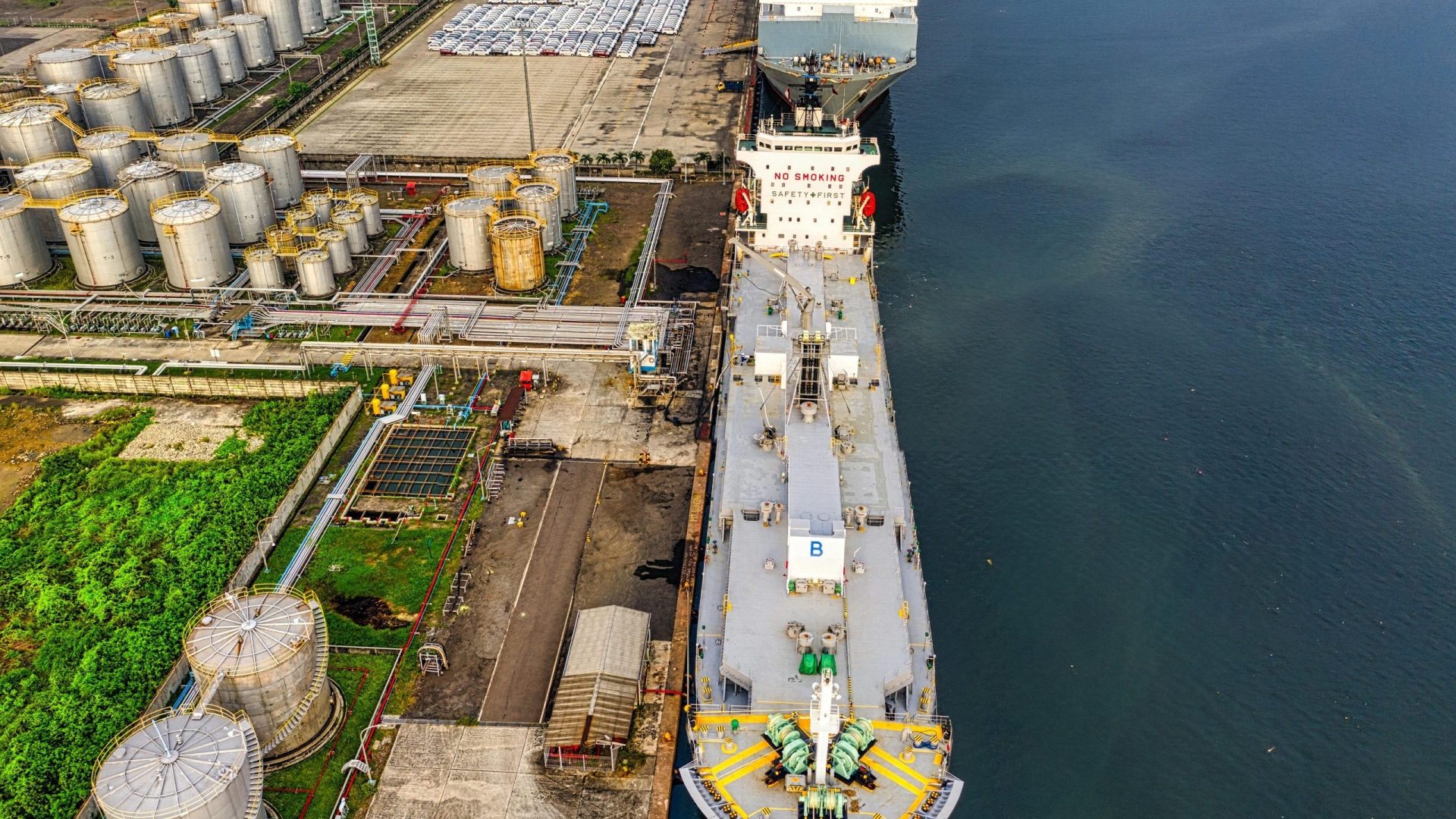
In addition to the basics, fuel transfer from tank to vessel often requires specialized equipment and safety measures. This may include:
Pump Selection: Choosing the right pump for the transfer process is essential. Factors such as flow rate, pressure requirements, and compatibility with the type of fuel being transferred need to be considered.
Hose and Fitting Compatibility: Ensuring that the hoses and fittings used for the transfer are compatible with the type of fuel being transferred and can withstand the pressure and temperature conditions is crucial to prevent leaks and spills.
Safety Precautions: Implementing safety measures to minimize the risk of spills, leaks, and accidents is paramount. This may include providing proper training to personnel involved in the transfer process, using spill containment systems, and having emergency response procedures in place.
Environmental Considerations: Being mindful of environmental regulations and best practices is important during fuel transfer operations. Spills or leaks can have significant environmental consequences, so measures should be taken to minimize the risk of environmental contamination.
Monitoring and Control Systems: Installing monitoring and control systems to track the flow of fuel during transfer and detect any abnormalities can help ensure the process runs smoothly and safely.